By Lindsey Baxter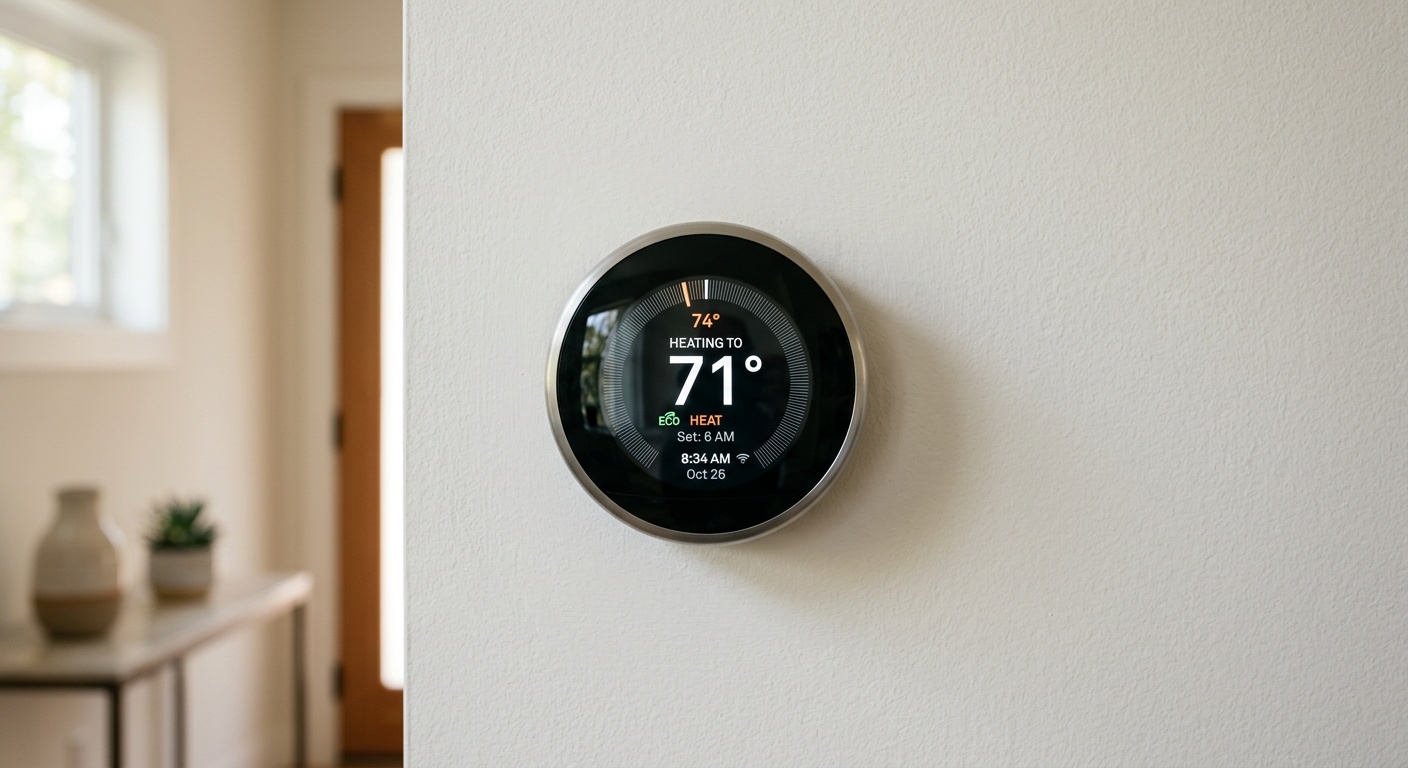
Complete Home Comfort Upgrades Every Homeowner Should Prioritize Now
Reading time: 14 minutes
Ever walked into your home after a long day and felt like something was just… off? Maybe the air feels stuffy, the temperature never seems right, or your energy bill is creeping up every month with no clear explanation. You’re not imagining things — and you’re definitely not alone. In 2026, millions of homeowners across North America and Europe are realizing that the homes they bought or rented years ago are no longer keeping pace with modern comfort standards, energy expectations, or indoor air quality benchmarks.
Here’s the straight talk: home comfort isn’t a luxury anymore. It’s a fundamental quality-of-life issue. The good news? You don’t need a full renovation budget to make meaningful improvements. Strategic, prioritized upgrades — tackled one by one — can transform how your home feels, functions, and costs to run.
Whether you’re a first-time homeowner trying to figure out where to start, or a seasoned homeowner ready to invest in serious upgrades, this guide is your comprehensive roadmap. We’ll walk through the most impactful improvements, break down real-world scenarios, and give you the tools to make smart, confident decisions.
Table of Contents
- Why Home Comfort Matters More Than Ever in 2026
- HVAC Upgrades: The Foundation of Home Comfort
- Insulation and Air Sealing: The Invisible Game-Changer
- Indoor Air Quality: The Overlooked Priority
- Smart Home Comfort Systems
- Room-by-Room Comfort Strategies
- Upgrade Comparison: Cost vs. Impact
- Common Challenges and How to Overcome Them
- Frequently Asked Questions
- Your Home Comfort Action Plan: Start Here
Why Home Comfort Matters More Than Ever in 2026
The post-pandemic world permanently reshaped how we use our homes. By 2026, an estimated 42% of the U.S. workforce works remotely at least part-time, according to recent labor market data. That means your home isn’t just a refuge — it’s your office, your gym, your school, and your entertainment center. The demands placed on residential spaces have never been higher.
At the same time, climate patterns have intensified. In 2025 alone, the United States recorded its third-hottest summer on record, while European homeowners faced an average of 18 more “extreme heat days” than they did a decade ago. Winters have become more unpredictable — colder in some regions, wetter in others. The net result? Your home’s climate control and insulation systems are under more strain than ever before.
Energy costs have also surged. In 2026, the average American household spends approximately $2,400 annually on home energy — a 19% increase from 2022 levels. For homeowners on fixed budgets, this isn’t just uncomfortable; it’s financially stressful.
The bottom line: investing in home comfort upgrades isn’t just about feeling better. It’s about protecting your health, your finances, and the long-term value of your property. According to the National Association of Realtors, homes with modern comfort upgrades sell for an average of 7–12% more than comparable unupgraded properties in 2026’s competitive housing market.
The Comfort Gap: Where Most Homes Fall Short
A 2025 survey by the American Council for an Energy-Efficient Economy (ACEEE) found that 68% of homes built before 2005 have at least one major comfort deficiency — whether it’s inadequate insulation, an aging HVAC system, poor air quality management, or inefficient windows. The survey also revealed that homeowners often don’t realize the root cause of their discomfort until they start investigating systematically.
Take the case of Maria and Tom, a couple from Portland, Oregon. They’d lived in their 1992 colonial for twelve years, constantly battling a persistent cold-room problem in their upstairs bedrooms every winter. They’d tried space heaters, thicker curtains, and even a new comforter — nothing worked. It wasn’t until a home energy auditor visited in 2025 that they discovered the real culprit: a combination of inadequate attic insulation and a poorly balanced HVAC duct system. A $3,800 investment fixed a problem that had frustrated them for over a decade.
Their story is common. Most comfort problems aren’t mysterious — they have specific, solvable causes. The key is knowing where to look.
HVAC Upgrades: The Foundation of Home Comfort
No single system has more impact on your home’s overall comfort than its heating and cooling system. HVAC (Heating, Ventilation, and Air Conditioning) technology has advanced dramatically in the past decade, and many homeowners are still running equipment that’s 15–20 years old — well past its optimal performance window.
When to Replace vs. When to Repair
This is one of the most common dilemmas homeowners face. The general rule of thumb in 2026: if your HVAC system is more than 10–12 years old and requires a repair costing more than 50% of a replacement unit, it’s almost always smarter to replace. Modern systems are dramatically more efficient — current-generation heat pumps operate at SEER2 ratings of 18–22, compared to the SEER 10–12 ratings common in systems installed in the early 2010s.
Quick Scenario: Imagine your 14-year-old central air conditioner breaks down in July. The repair quote comes in at $1,200. A new high-efficiency unit costs $4,500 installed. Do the math: a new unit will cut your cooling costs by an estimated 35–40% annually (roughly $480/year in savings), meaning the upgrade pays for itself in roughly 7 years — and continues delivering savings for another 10–15 years after that.
Key upgrade options to consider in 2026:
- Air-source heat pumps: Now the gold standard for combined heating and cooling, delivering up to 3x more energy per dollar than traditional resistance heating. Federal rebates under the extended Inflation Reduction Act provisions still make these an exceptional value in 2026.
- Mini-split systems: Ideal for additions, converted spaces, or homes without existing ductwork. Modern mini-splits offer precise zone control with energy efficiency ratings that rival whole-home systems.
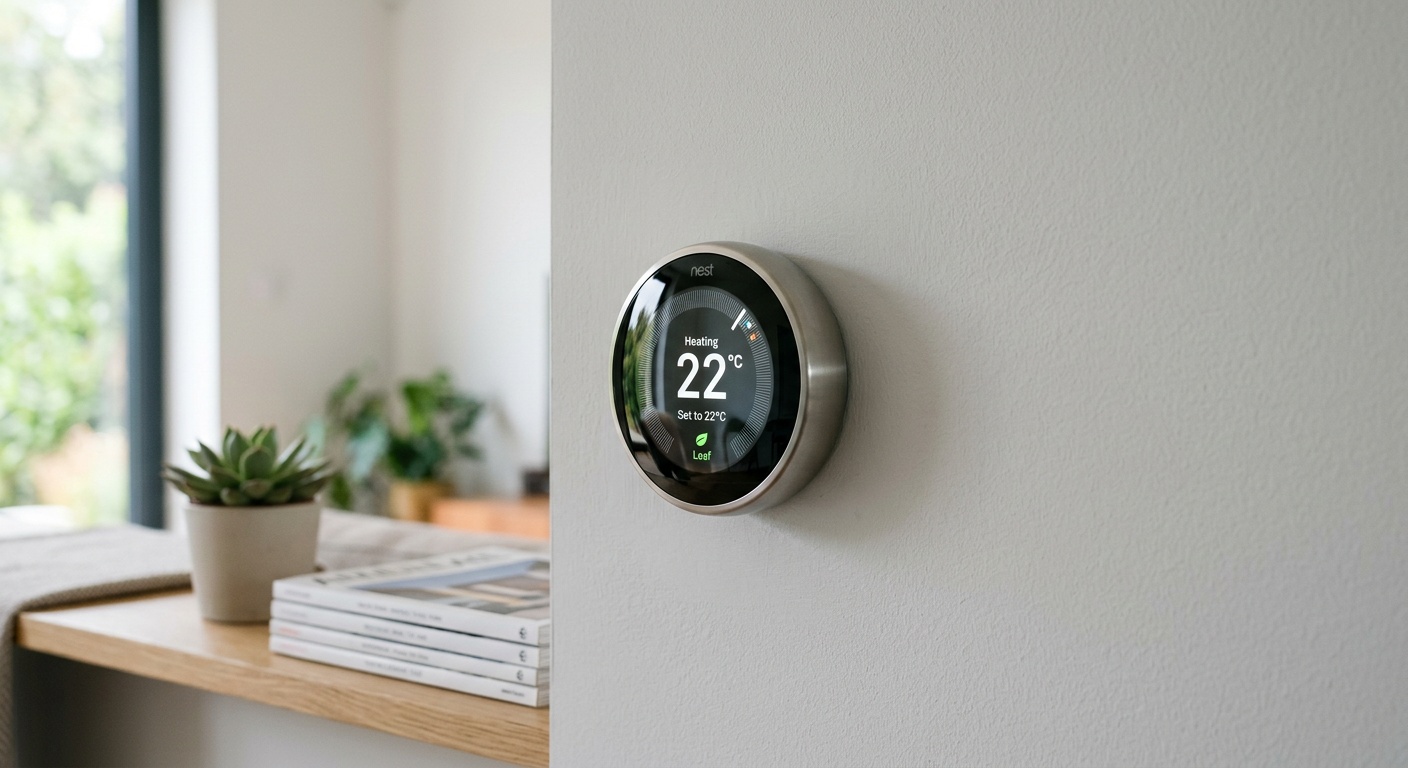
- Smart thermostats: An entry-level upgrade (average cost: $150–$250 installed) that can reduce HVAC energy use by 10–15% with minimal disruption.
- Duct sealing and balancing: Studies by the Department of Energy indicate that leaky ducts can waste 20–30% of the conditioned air your system produces. Professional duct sealing is often the highest-ROI HVAC upgrade available.
Pro Tip: Before investing in any major HVAC upgrade, schedule a professional home energy audit. In 2026, many utility companies offer subsidized audits — sometimes completely free — as part of demand-side management programs. The $0–$200 cost of an audit can save you thousands by ensuring you upgrade the right system in the right way.
Insulation and Air Sealing: The Invisible Game-Changer
Here’s a truth most homeowners don’t know: your HVAC system can be perfectly sized, brand new, and running flawlessly — and still fail to keep your home comfortable if your building envelope is leaky or poorly insulated. Insulation and air sealing are the unsung heroes of home comfort.
The U.S. Department of Energy estimates that air leaks account for 25–40% of the energy used for heating and cooling in a typical American home. That’s not a rounding error — it’s a massive, systemic inefficiency that most homeowners are unknowingly paying for every single month.
Priority Zones for Insulation Upgrades
Not all insulation upgrades are created equal. Here’s where to focus your investment for maximum impact:
- Attic insulation: Heat rises, and inadequate attic insulation is the single most common insulation deficiency in American homes. In most U.S. climate zones, the recommended R-value for attic insulation is R-49 to R-60. Many older homes have R-19 or less. Upgrading attic insulation typically costs $1,500–$3,500 and delivers annual energy savings of $300–$600.
- Crawl space and basement sealing: Cold floors in winter are almost always a sign of an uninsulated or poorly sealed crawl space. Encapsulating a crawl space (adding a vapor barrier and insulating the walls) costs $3,000–$8,000 but dramatically improves comfort and indoor air quality simultaneously.
- Air sealing around penetrations: Every pipe, wire, and duct that passes through your walls, floors, or ceiling is a potential air leak. Professional air sealing using spray foam and caulk around these penetrations is one of the cheapest, highest-impact upgrades you can make — often costing just $500–$1,500.
- Window and door weatherstripping: A simple DIY upgrade that costs under $100 in materials and can meaningfully reduce drafts in older homes.
Consider the experience of James, a homeowner in Minneapolis who upgraded his 1978 split-level in early 2025. By adding R-38 blown-in cellulose insulation to his attic and sealing 23 identified air leakage points throughout the home, he reduced his annual heating bill by $720 — a 31% reduction. More importantly, the cold spots that had plagued his living room for years simply disappeared.
Indoor Air Quality: The Overlooked Priority
Indoor air quality (IAQ) rarely gets the attention it deserves, yet the EPA has consistently ranked indoor air pollution among the top five environmental health risks facing Americans. In 2026, with more people spending extended time inside their homes, IAQ has become a critical comfort and health priority.
The average American spends approximately 90% of their time indoors, and indoor air can be 2–5 times more polluted than outdoor air, according to EPA data. Common indoor pollutants include volatile organic compounds (VOCs) from furniture and cleaning products, mold spores, pet dander, dust mites, combustion byproducts, and radon.
Building Your Indoor Air Quality Strategy
A comprehensive IAQ strategy typically involves three layers:
1. Source Control: Eliminating or reducing pollutant sources is always more effective than trying to filter them out after the fact. This means switching to low-VOC paints and cleaning products, ensuring proper combustion appliance venting, and addressing any moisture problems before mold develops.
2. Ventilation: Modern homes are often so well-sealed (a good thing for energy efficiency) that they don’t bring in enough fresh air. Energy Recovery Ventilators (ERVs) and Heat Recovery Ventilators (HRVs) solve this problem elegantly — they bring in fresh outdoor air while capturing most of the energy (heat or cooling) from the outgoing stale air. In 2026, ERV/HRV systems typically cost $1,500–$3,500 installed and are increasingly standard in new construction.
3. Air Purification: High-quality HEPA filtration, UV-C germicidal irradiation, and activated carbon filtration can be integrated directly into your HVAC system or deployed as standalone units. MERV 13 filters are the current recommended standard for residential HVAC systems in 2026, balancing filtration effectiveness with system airflow needs.
For families with young children, IAQ carries particular urgency. Parents often ask whether comfort devices like portable air coolers are safe for little ones — understanding is air cooler good for babies is an important consideration when selecting home comfort equipment for nurseries or children’s rooms. The answer depends heavily on the type of cooler, maintenance practices, and room humidity levels.
Humidity control deserves special mention here. Ideal indoor relative humidity falls between 40–60%. Too dry (below 35%) and you’ll experience respiratory irritation, static electricity, and cracking wood. Too humid (above 60%) and you create conditions favorable for mold, dust mites, and structural damage. Whole-home humidifiers and dehumidifiers — integrated with your HVAC system — are among the most impactful comfort upgrades many homeowners overlook.
Smart Home Comfort Systems
The smart home revolution has matured significantly by 2026. We’re past the novelty phase — today’s smart home comfort systems deliver genuine, measurable improvements in convenience, energy efficiency, and customization. The key is knowing which technologies actually deliver value versus which are expensive gadgets.
Technologies worth investing in right now:
- Smart thermostats with learning algorithms: Systems like the latest Ecobee and Google Nest models now incorporate occupancy sensing, local weather data, and AI-driven schedule optimization. Average energy savings: 10–23% on HVAC costs.
- Whole-home energy monitors: Devices that provide real-time circuit-level energy monitoring (such as Emporia Vue and similar systems) allow you to identify energy hogs and optimize usage patterns. Many integrate with smart thermostats for automated demand response.
- Smart ceiling fans: Often underestimated, ceiling fans with DC motors and smart controls can reduce perceived temperature by 4–6°F, allowing you to run your AC 2–3 degrees warmer without sacrificing comfort. In 2026, smart ceiling fans average $150–$350 and are one of the best comfort-per-dollar upgrades available.
- Automated window coverings: Motorized shades that automatically close during peak afternoon sun can reduce solar heat gain by 40–60%, dramatically reducing cooling loads in summer without sacrificing natural light during cooler hours.
Room-by-Room Comfort Strategies
Every room in your home has unique comfort challenges. Here’s a focused breakdown:
Bedrooms: Sleep quality is directly tied to thermal comfort. Research from the Sleep Foundation indicates that the ideal bedroom temperature for sleep is 65–68°F (18–20°C). Investing in a mini-split or zoned HVAC control for bedrooms, combined with blackout curtains and a high-quality mattress with temperature-regulating properties, can meaningfully improve sleep quality.
Home Office: With remote work firmly established, home office comfort is now a productivity issue. Key priorities: glare control (window film or adjustable blinds), temperature zoning, and noise reduction (acoustic panels or double-pane windows facing noisy streets).
Kitchen and Bathrooms: These rooms generate significant heat, moisture, and odors. High-capacity exhaust fans (300+ CFM for kitchens, 110+ CFM for bathrooms) are essential upgrades that most older homes lack. Ensure exhaust fans are properly ducted to the exterior — many older homes have fans venting into attics, which causes moisture damage and mold.
Living Areas: Comfort here is often about even temperature distribution and air quality. Ceiling fans, proper furniture placement relative to vents, and area rugs over hard flooring (which can feel cold even in adequately heated spaces) all contribute.
Basement and Garage: These spaces are often thermal bridges — cold surfaces that sap heat from adjacent living areas. Insulating basement walls to at least R-13 and the ceiling between the garage and living space are high-priority upgrades in colder climates.
Upgrade Comparison: Cost vs. Impact
| Upgrade | Avg. Cost (2026) | Comfort Impact | Annual Savings Est. | Payback Period |
|---|---|---|---|---|
| Attic Insulation Upgrade | $1,500–$3,500 | ⭐⭐⭐⭐⭐ | $300–$600 | 4–7 years |
| Heat Pump Replacement | $4,500–$9,000 | ⭐⭐⭐⭐⭐ | $600–$1,200 | 6–10 years |
| Smart Thermostat | $150–$250 | ⭐⭐⭐ | $180–$300 | Under 1 year |
| ERV/HRV Ventilation | $1,500–$3,500 | ⭐⭐⭐⭐ | $150–$400 | 5–12 years |
| Air Sealing (Professional) | $500–$1,500 | ⭐⭐⭐⭐ | $200–$500 | 2–5 years |
Comfort Upgrade Priority Chart
Homeowner Satisfaction Rating (out of 10) by Upgrade Category — 2026 Survey Data
Source: Homeowner Satisfaction Survey, ACEEE 2026
Common Challenges and How to Overcome Them
Challenge 1: Budget Constraints
This is the most cited barrier to home comfort upgrades. The perception that meaningful improvements require tens of thousands of dollars is simply false. A strategic approach — starting with high-ROI, low-cost upgrades like air sealing, weatherstripping, and smart thermostats — can deliver significant comfort improvements for under $1,000. From there, you can tackle larger investments as budget allows, prioritizing the upgrades with the fastest payback periods first.
Additionally, in 2026, there has never been more financial support available for home efficiency upgrades. Federal tax credits under the extended Inflation Reduction Act cover 30% of the cost of heat pumps, insulation, and air sealing improvements, up to $3,200 per year. Many states offer additional rebates — some utility companies are offering up to $2,000 in additional incentives for heat pump upgrades. Always check your state energy office and local utility programs before beginning any major project.
Challenge 2: Finding Qualified Contractors
The home improvement industry is experiencing a significant skilled labor shortage in 2026. Finding qualified HVAC technicians, insulation contractors, and energy auditors can be challenging, and the market is unfortunately populated with some less-than-reputable operators.
How to protect yourself:
- For HVAC work, look for NATE (North American Technician Excellence) certified technicians.
- For energy audits and weatherization, seek contractors certified by BPI (Building Performance Institute) or RESNET.
- Always get three quotes, and be skeptical of quotes that are dramatically lower than the others.
- Check reviews on multiple platforms (not just the contractor’s own website), and specifically ask for references from customers whose projects were completed within the past 12 months.
- Ensure all work is permitted where required — unpermitted work can complicate home sales and may void manufacturer warranties.
Challenge 3: Rental Properties and HOA Restrictions
If you rent your home, your upgrade options are obviously more limited — but not zero. Many landlords are receptive to energy improvements that reduce utility costs, especially when you present them with clear data on ROI. Focus your conversation on upgrades that benefit the property long-term, and offer to share the cost if necessary.
For homeowners in HOA communities, exterior modifications like HVAC unit replacements or window upgrades may require approval. In 2026, most HOAs have updated their policies to be more accommodating of energy-efficiency upgrades following guidance from the Department of Housing and Urban Development, but you should always review your CC&Rs and obtain written approval before beginning work.
Frequently Asked Questions
What is the single most cost-effective home comfort upgrade I can make in 2026?
If you have an older home and haven’t upgraded your attic insulation in the past 15 years, that’s almost certainly your highest-ROI starting point. Combined with basic air sealing around electrical outlets, plumbing penetrations, and attic hatches, this upgrade typically costs $2,000–$4,500 and delivers both immediate comfort improvements (more even temperatures, fewer drafts) and measurable annual energy savings. For homes already well-insulated, a smart thermostat offers the fastest payback — often under one year — and requires minimal disruption.
How do I know if my home’s air quality is a problem?
Common signs include persistent musty odors (indicating mold or moisture issues), family members experiencing frequent allergy symptoms or respiratory irritation at home that improve when they leave, visible condensation on windows during winter, and excessive dust accumulation despite regular cleaning. The most reliable approach is to purchase a multi-sensor indoor air quality monitor — in 2026, quality units cost $80–$200 and measure particulates, VOCs, CO2, humidity, and temperature in real time. For radon specifically (a serious health risk), use an EPA-certified radon test kit; short-term tests cost as little as $15.
Are heat pumps truly suitable for cold climates, or do they still require a backup heating system?
This is one of the most common questions in 2026, and the answer has changed dramatically from even five years ago. Modern cold-climate heat pumps (sometimes called “hyper heat” or “arctic” models) from leading manufacturers now maintain full heating capacity down to -13°F (-25°C) — well below what most homeowners anywhere in the continental U.S. or Europe will ever experience. Independent testing in cold-climate states like Minnesota, Maine, and Vermont consistently shows these systems performing well through actual winters. That said, building codes in some extreme cold-climate regions still require a backup heat source, and for very large or poorly insulated homes, a hybrid system (heat pump plus gas furnace backup) may be the most practical approach in 2026.
Your Home Comfort Action Plan: Start Here
You now have a comprehensive picture of what meaningful home comfort looks like in 2026 — and more importantly, how to get there. The key insight running through everything we’ve covered: comfort is systemic. It’s the result of your building envelope, your mechanical systems, your indoor air quality, and your controls all working together effectively. Fixing one piece while ignoring the others will always leave you short of true home comfort.
Here’s your practical roadmap forward:
- Start with a home energy audit (Week 1–2): This is your diagnostic baseline. Schedule a professional BPI-certified audit or start with a DIY walkthrough using your utility’s free resources. Identify your home’s specific deficiencies before spending a dollar on upgrades.
- Address air sealing and insulation (Month 1–3): Based on your audit findings, tackle the building envelope first. These upgrades make every other upgrade more effective and deliver among the fastest payback periods available.
- Optimize your HVAC system (Month 3–6): Install a smart thermostat if you haven’t. If your system is approaching end-of-life, begin researching heat pump options and collecting quotes now — the best contractors are often booked 2–3 months out in 2026.
- Implement an IAQ strategy (Month 4–6): Upgrade your HVAC filter to MERV 13, address any identified moisture or mold issues, and consider adding an air quality monitor and ventilation upgrade.
- Layer in smart controls (Ongoing): As your foundation systems are upgraded, incrementally add smart controls — ceiling fans, automated shades, energy monitoring — to optimize and personalize your comfort environment.
Key takeaways to carry forward:
- Don’t treat comfort upgrades as isolated projects — think systemically about how your home functions as an integrated environment.
- Take full advantage of the extraordinary financial incentives available in 2026 — federal tax credits and utility rebates can reduce your out-of-pocket costs by 30–50% on major upgrades.
- Prioritize upgrades that address root causes (air sealing, insulation, proper HVAC sizing) over those that treat symptoms (extra heaters, fans, dehumidifiers).
- Indoor air quality is not optional — it directly affects health, cognitive performance, and sleep quality for everyone in your home.
As climate volatility continues to intensify and remote work keeps more people home for more hours, the gap between a truly comfortable home and an uncomfortable one will only grow more consequential. The homeowners who invest strategically today will enjoy not just better daily living, but meaningfully higher property values, lower operating costs, and greater resilience against whatever the climate throws their way in 2027 and beyond.
Here’s the question worth sitting with: Which one upgrade — if you made it this month — would have the greatest positive impact on your daily life at home? Start there. The rest will follow.